August 3, 2026
Silent Inhabitants of the Forest: The Fungi Kingdom in Chiloé
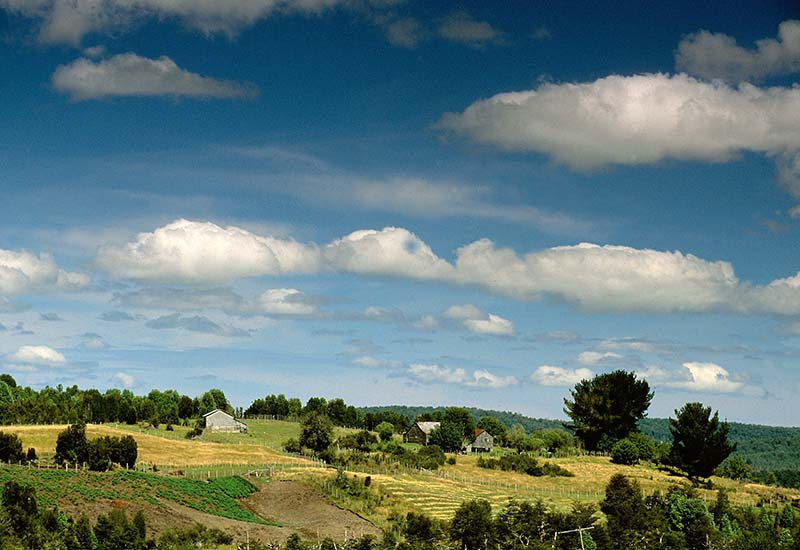
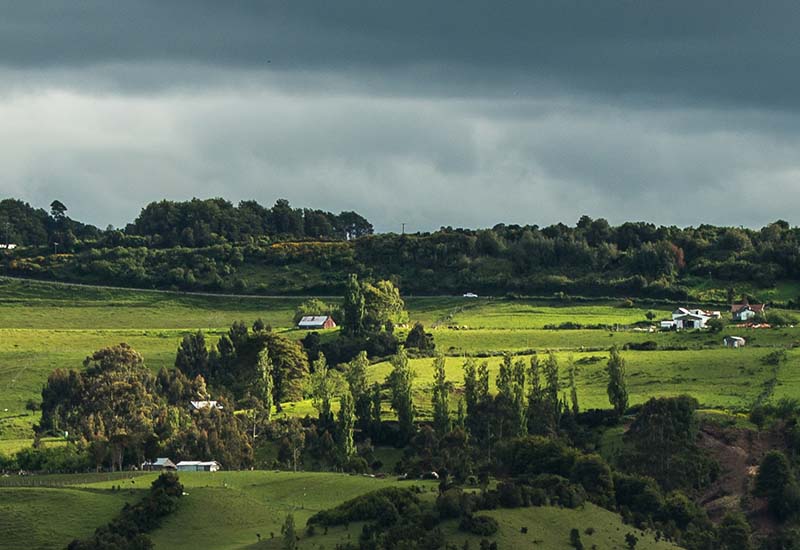
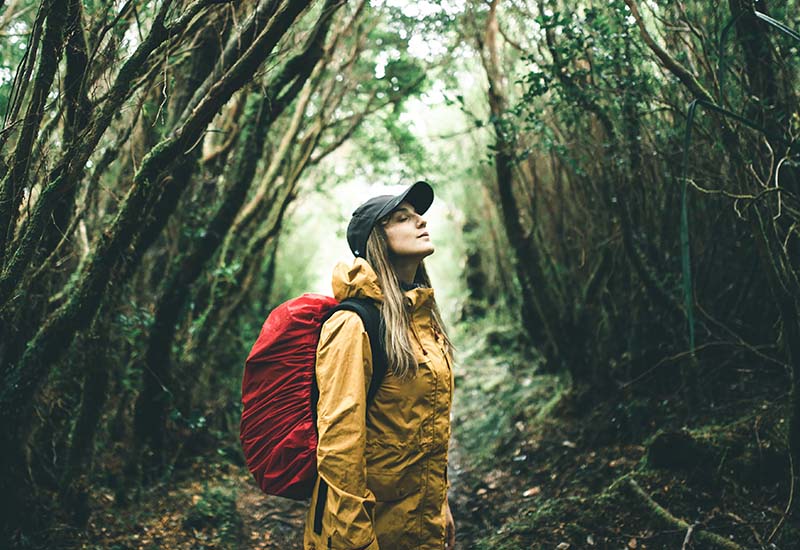
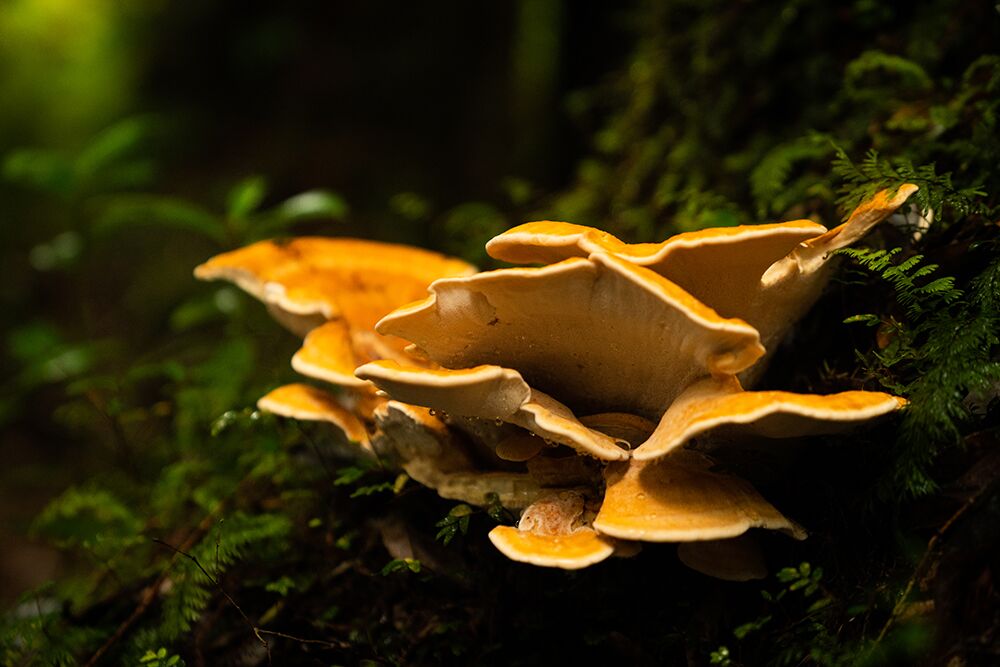
In Chiloé’s temperate rainforest, the landscape is not merely observed: it is heard, smelled, and explored at a unhurried pace.

There is an element that brings together several Chilote traditions, both the value of agriculture and the sense of community. The Chilote apple has become a part of Chiloé’s identity, with harvests that tell stories of families who have continued collecting this fruit for generations.
The apple has become a crucial part of Chilote identity, with chicha (a beverage similar to apple cider) being the best accompaniment for long winter days, and the Chilote apple maja, one of the most anticipated celebrations of the year.
At the beginning of the season, apple trees adorn the roads leading to the hotel with their beautiful white blossoms tinged with pink. As summer progresses, small apple buds appear until, from mid-February to mid-April, we can observe their full stage of maturation.
Following the introduction of the apple tree to the archipelago in the late 17th century, conditions gave rise to different varieties, among which we can highlight the camuesta, the main ingredient in apple chicha. This variety is not particularly appetizing to consume raw, but its acidity and juiciness give a unique touch to the chicha. Currently, the camuesta is in danger of disappearing, making learning about this variety also an invitation to preserve it.
Another well-known apple is the febrera, which, as its name suggests, tends to be ready in late February. It is characterized by being soft and porous, as well as for its sweetness and aroma.
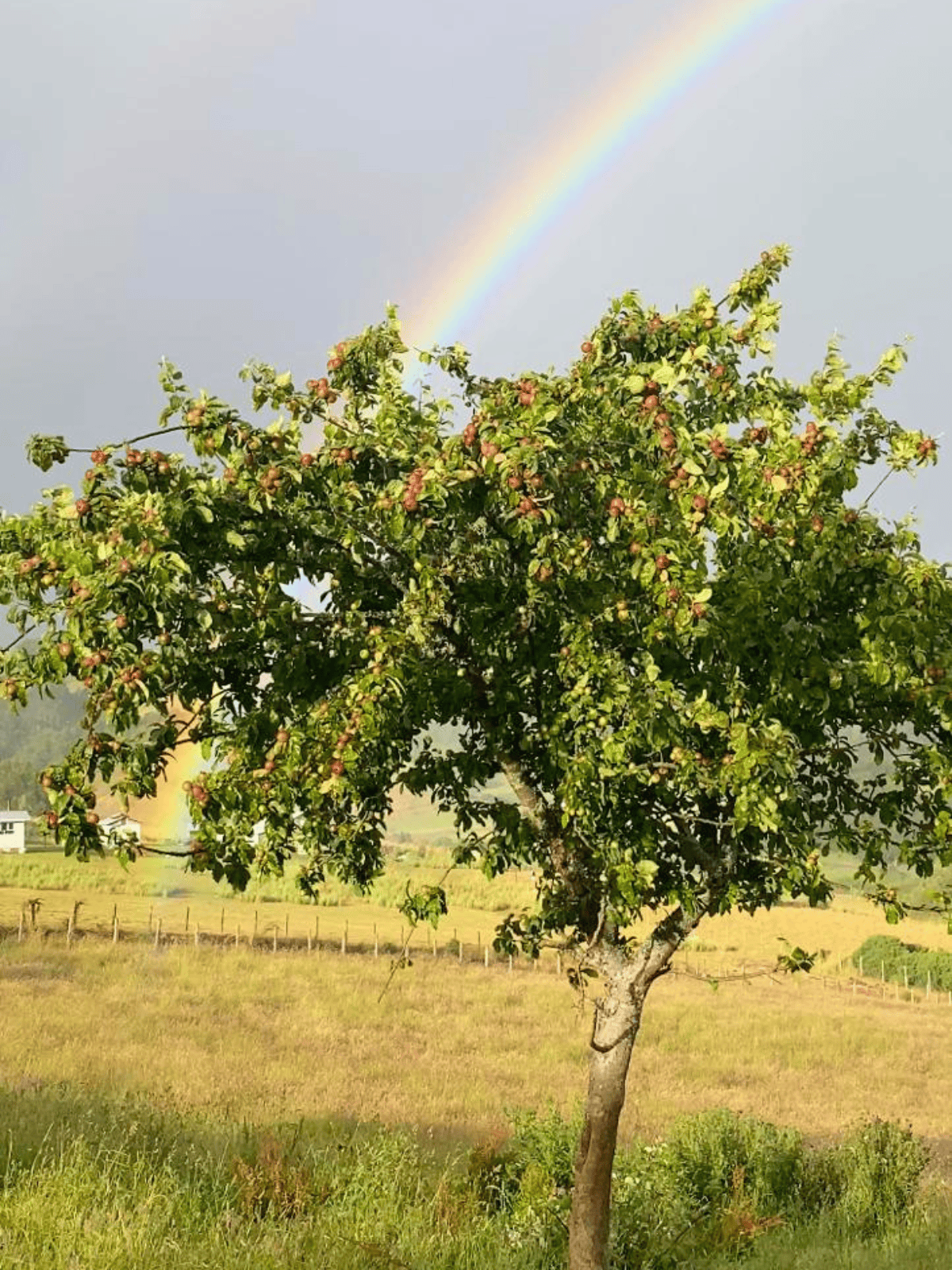
High humidity alongside mild, somewhat changeable summers allow the apples to ripen at their own pace, concentrating aromas and achieving a balance between acidity and sweetness. The proximity to the sea delivers nutrients and minerals that travel through sea breezes and underground water reservoirs, adding a unique touch to the flavor and texture of these apples.
Additionally, grass growth facilitates rainwater infiltration and protects the soil from erosion. Pigs, calves, poultry, and sheep provide nutrients and organic matter while keeping grass growth in check.
Thanks to minimal human intervention in these harvests and the rich biodiversity of existing species, this apple harvesting resembles gathering wild fruits from the forest.
These apples have co-evolved with Chilote culture, adapting to different environments and evolving at the same pace as customs in Chiloé.
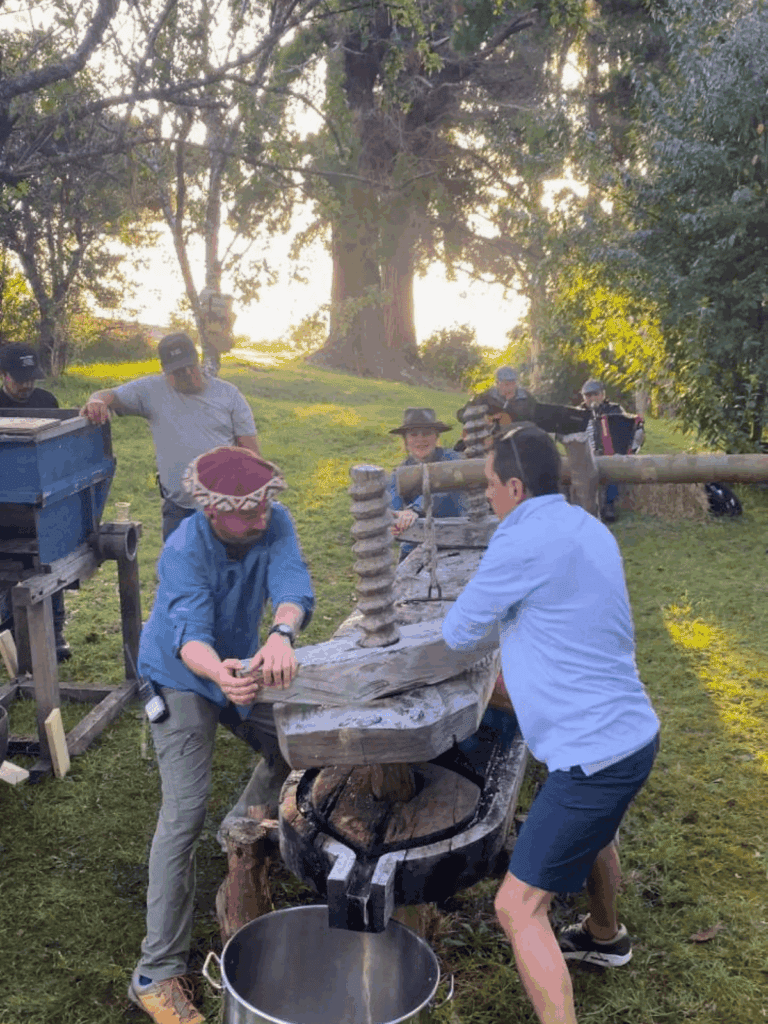
Over time, the abundance of apples demanded smart and effective management, giving rise to the maja de manzana—a festival that originally consisted of crushing the apples to the point of extracting juice. After a period of 15 days, this juice ferments into an alcoholic beverage, reaching up to 2% alcohol.
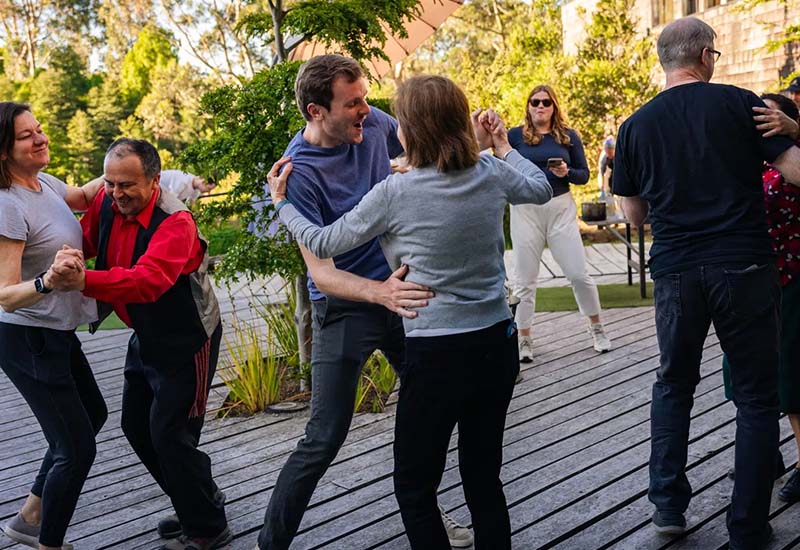
This maja has been a reason for celebration, unity, and community, embodying the core values of the Chilote community.
It is said that the best chicha is the one that blends more than one apple variety. It is also believed that you never taste the exact same chicha twice, as each season’s flavors intensify or dilute depending on weather conditions.
The maja
What a pleasant aroma fills the air,
Of chicha and apples, of ñaco and bread,
Juice trickles down through the troughs
Of those baskets that come and go.
Full barrels over in the cellar
Patiently await fermentation,
And that sweet nectar has transformed
Into an alcoholic drink with a different flavor.
Stories from my native land: Vilupulli, Silvia Bórquez Macías
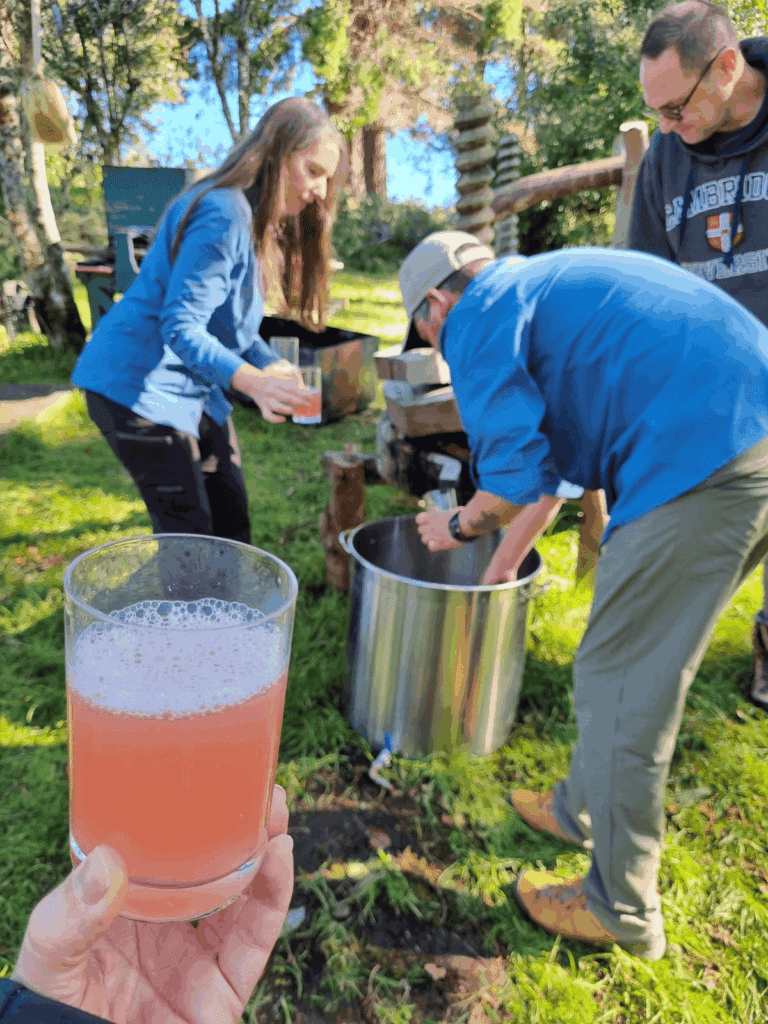
Even with the passage of time, it is still common to see Chilotes harvesting their apples, especially in March, to participate in a maja alongside their neighbors. Bottles of chicha can be found year-round at the local market in Castro.