August 3, 2026
Silent Inhabitants of the Forest: The Fungi Kingdom in Chiloé
In Chiloé’s temperate rainforest, the landscape is not merely observed: it is heard, smelled, and explored at a unhurried pace.

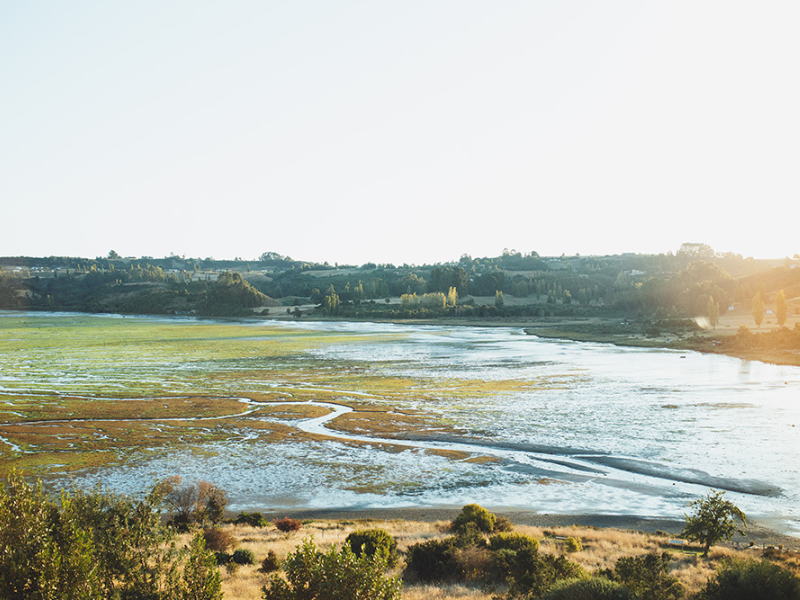
In Chiloé, the landscape is always in motion. The tides reshape the coast twice a day, the rain renews the temperate forest, and the inland sea creates natural refuges where life unfolds with great force. Amid that balance of water, wind, and vegetation, birds form an essential part of the archipelago and turn every journey into an opportunity to discover its natural richness.
To date, nearly 9,800 bird species have been recorded worldwide, across an enormous diversity of habitats. In Chile, there are approximately 600 species, of which 109 are seabirds.
Chiloé brings together a variety of ecosystems that favor the presence of numerous bird species. These inhabit different environments throughout the archipelago, from beaches and intertidal zones to the trees of the temperate rainforest, as well as rivers, seas, estuaries, and inlets.
According to the World Wildlife Fund (WWF), there are 827 ecoregions in the world, of which only 200 are considered a priority due to their ecological significance. Among them is the Chilote ecoregion, which makes Chiloé a particularly attractive destination for bird lovers.
When we speak of endemic birds, we refer to species that live exclusively within a specific territory. In Chile, there are 11 bird species found only in the country.
In Chiloé, two of them can be found:
Slender-billed Parakeet (Choroy): A resident of the temperate forests of southern Chile, it is often seen in large flocks that draw attention for their noisy and lively nature.
Pincoya Storm Petrel: One of the most recently discovered species in Chile. It belongs to the family Oceanitidae, known as the southern storm petrels. Its population is concentrated in the inland seas of Chiloé. To feed on tiny creatures that live on the water’s surface, it has developed the ability to “run” across open water, with its feet submerged and wings spread. Its dance across the water is reminiscent of the mythical Pincoya.
Our birdwatching specialist, Jessica Collao, has worked in Chiloé for 3 years and shares some recommendations for enjoying this activity and better understanding the environment in which the birds live.
What are the recommendations for birdwatching in Chiloé?
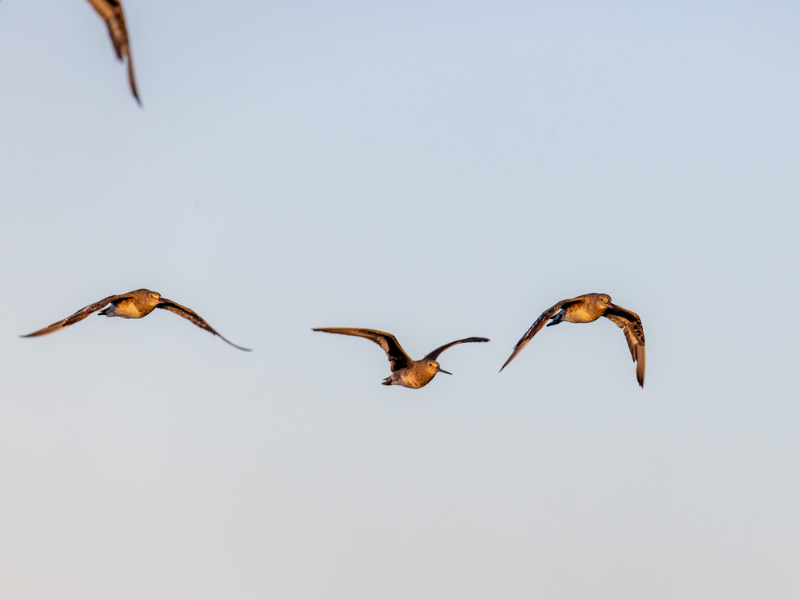
When it comes to the environment, it is especially recommended to pay close attention to the movement of the tides. During low tide, it is easier to find species such as the Hudsonian Godwit (zarapito de pico recto), a migratory bird that typically feeds on worms found in the intertidal zone. It is also common to spot the American Oystercatcher (pilpilén), different types of gulls, and, in areas with denser vegetation, even the Chucao Tapaculo.
It is worth remembering that every day brings two low tides and two high tides, whose frequency and duration are determined by the movement of the moon. During the full moon and new moon, the lowest and highest tides of the month occur. This information can be found on pages such as the Castro Tide Table, which shows the exact tide schedule by day and location.
It is also recommended to enjoy walks just after rainfall, a time when small birds such as the House Wren (chercán), the Tufted Tit-Tyrant (cachudito), and the White-crested Elaenia (fiofío) come out in search of food.
Regarding appropriate equipment, regardless of the season, Chiloé tends to be rainy throughout the year. For this reason, waterproof shoes and clothing are recommended, and for birdwatching along the inland sea beaches, rubber boots. As for clothing, the ideal is to blend in with the surroundings by wearing brown, green, or other muted tones.
It is also advised to be mindful of the space we occupy, to avoid intrusive behavior, and not to disrupt the natural behavior of the birds, always applying minimum-impact techniques.
As for the most suitable excursions for birdwatching, kayaking in Pullao Bay allows visitors to closely observe the habits of aquatic birds and offers the opportunity to approach the buoys of mussel farms, where several birds nest. Another excursion recommended by Jessica is a voyage aboard our vessel Williche. During the trip there is the possibility of spotting pelagic birds such as shearwaters, skuas, albatrosses, and storm petrels.
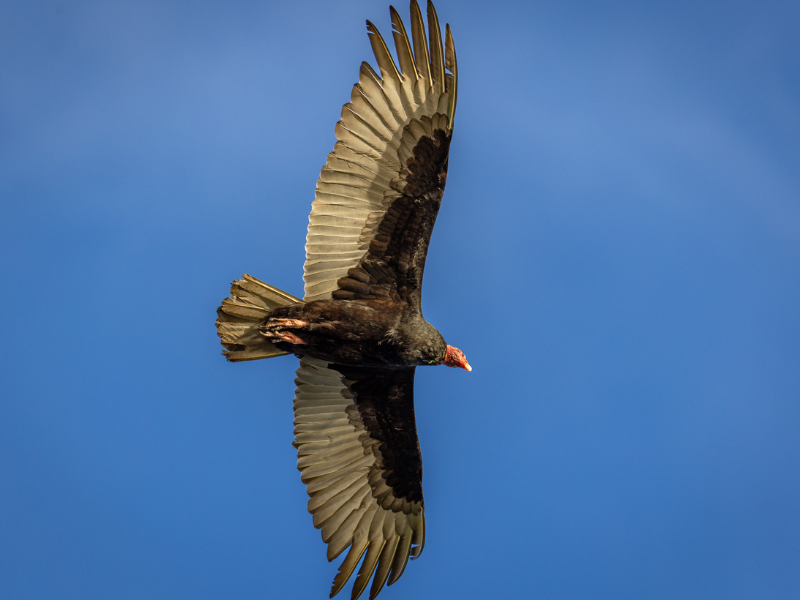
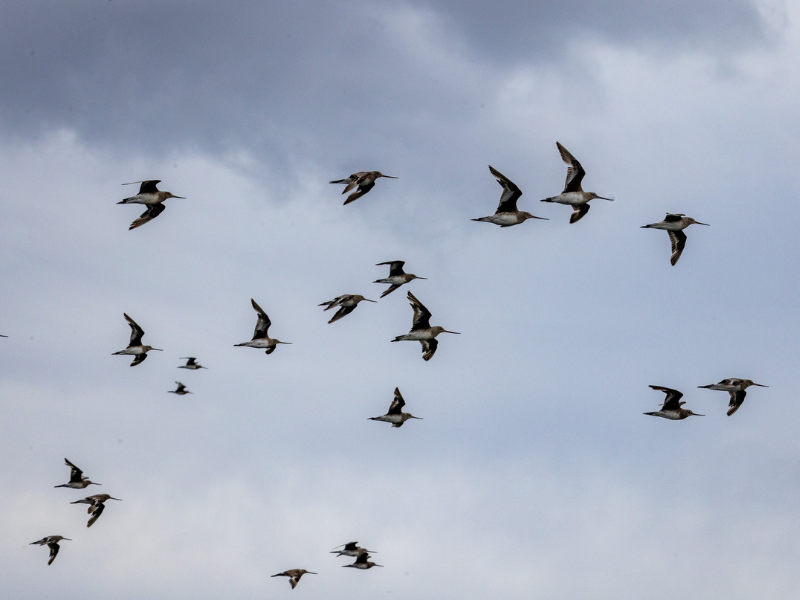
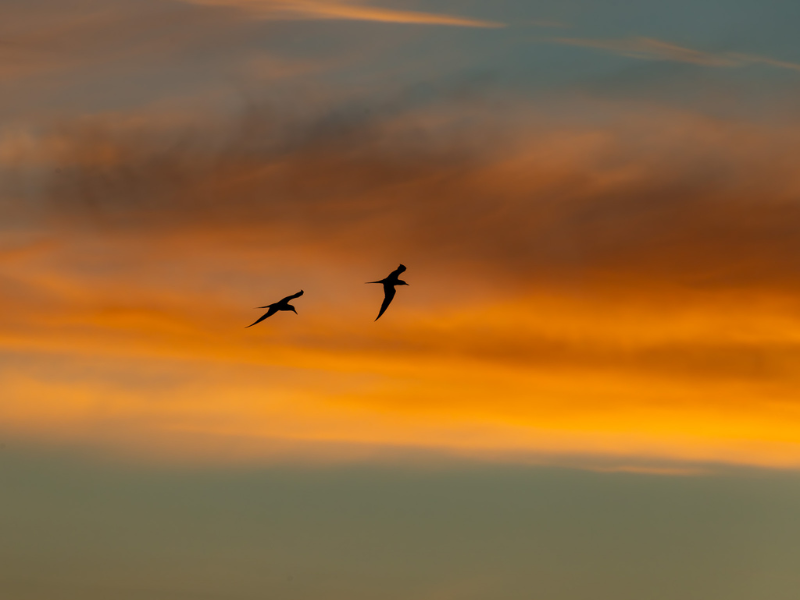
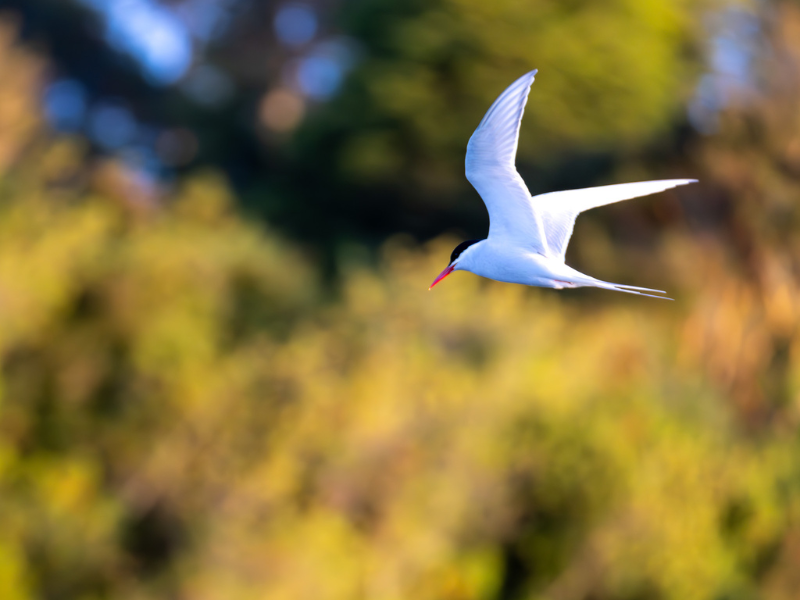
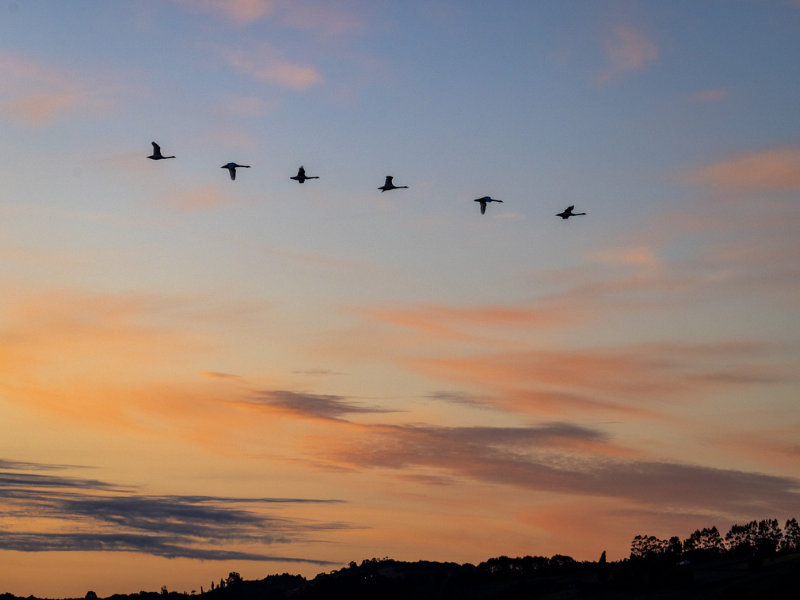
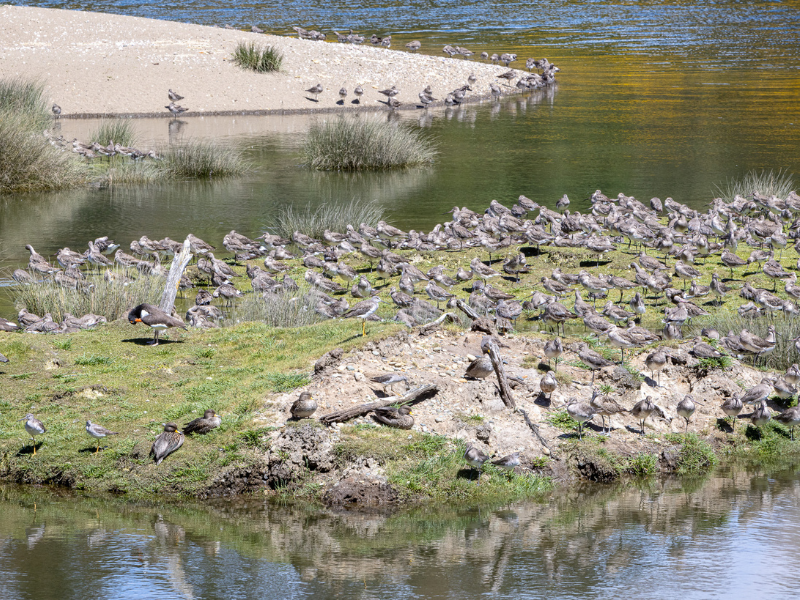
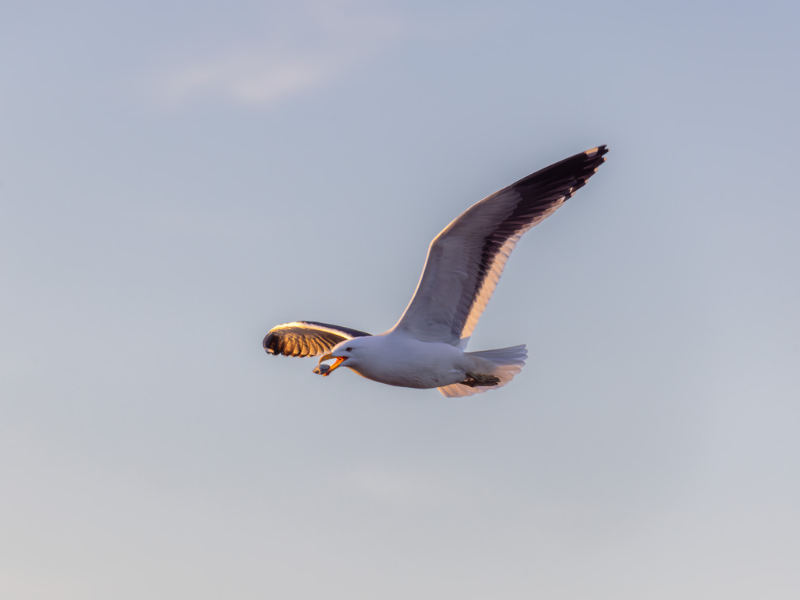
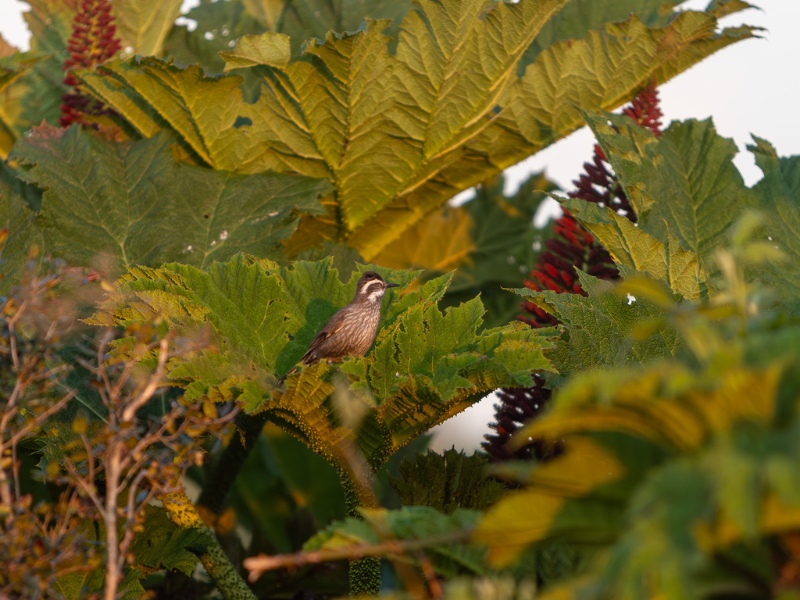
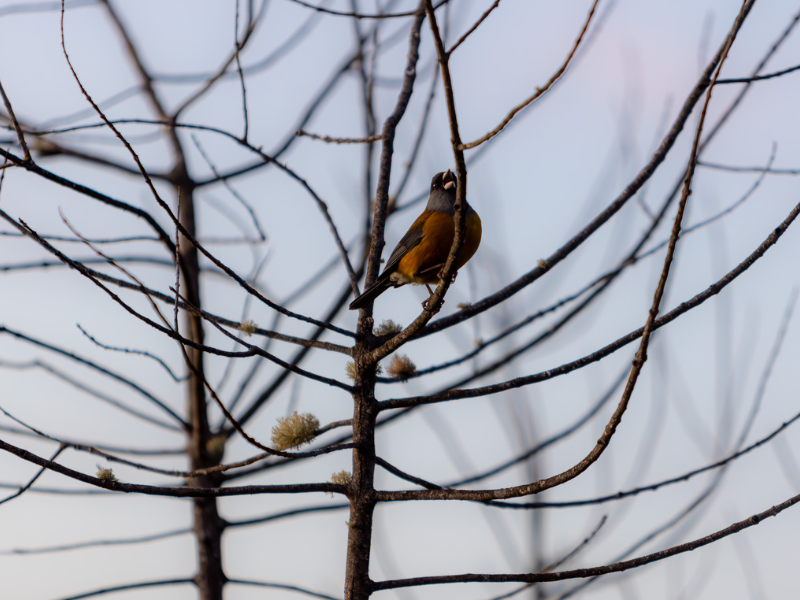
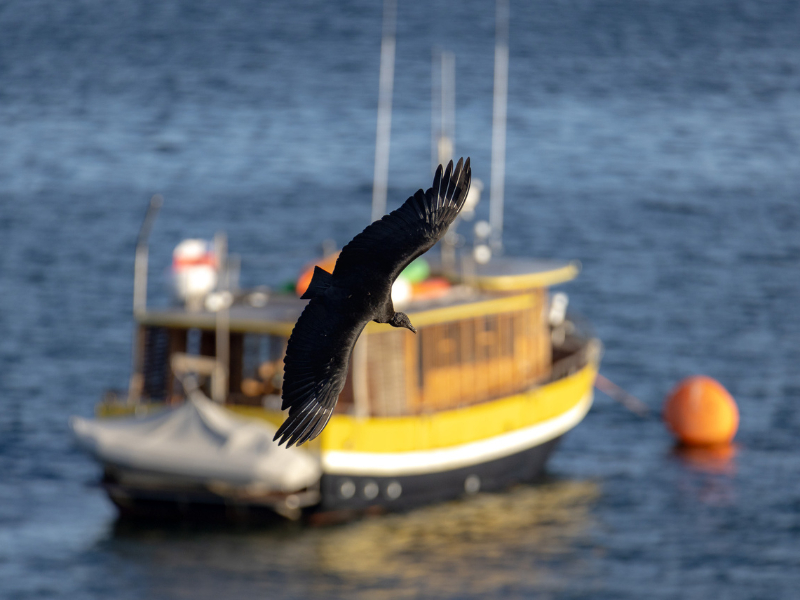
Chiloé has unique characteristics, such as the remarkable tidal changes on the eastern side of the archipelago. Due to its inland sea conditions, intertidal wetlands form that are easily accessible by vehicle.
The abundance of food also encourages the presence of birds. In the Valdivian rainforest, for example, we find forest fruits in great quantities, such as murta, calafate, and chaura, among many others.
Being an island, there are also unique variations of species found on the mainland, such as the Chiloé Diuca-Finch and the Chiloé Thorn-tailed Rayadito.
Another distinctive feature of this archipelago is the presence of birds from central and southern Chile, such as the Chilean Mockingbird (tenca) and the Peruvian Pelican, which visit Chiloé drawn by the great availability of food. The archipelago is also home to multiple migratory birds, such as the already-mentioned Hudsonian Godwit.
Finally, in Chiloé it is also possible to observe several birds characteristic of southern Chile, such as the Magellanic Woodpecker, the Ringed Kingfisher, the Chucao Tapaculo, the Patagonian Sierra-Finch (comesebo), the Black-throated Huet-huet, the Magellanic Tapaculo (churrín del sur), and Des Murs’s Wiretail (colilarga), among many others. All of this makes the archipelago a privileged destination for those seeking to discover the natural richness of the far south through birdwatching.