Chiloé

Chiloé (pronounced chi-loh-EY) is the largest of the Chiloé Islands and the second largest island in South America, at the point where Chile’s Lake District ends and northern Patagonia begins. Together, these islands form the Chiloé Archipelago, beloved by Chileans but still largely undiscovered by international travelers. Its eastern coast faces the calm inland Sea of Chiloé; its western coast meets the open Pacific. In this remote and unspoiled corner of Patagonia, Refugia Chiloé offers a luxury hotel and spa built for travelers who seek what few others find. How do I get to Chiloé?

Pristine wilderness Left

Pristine
wilderness

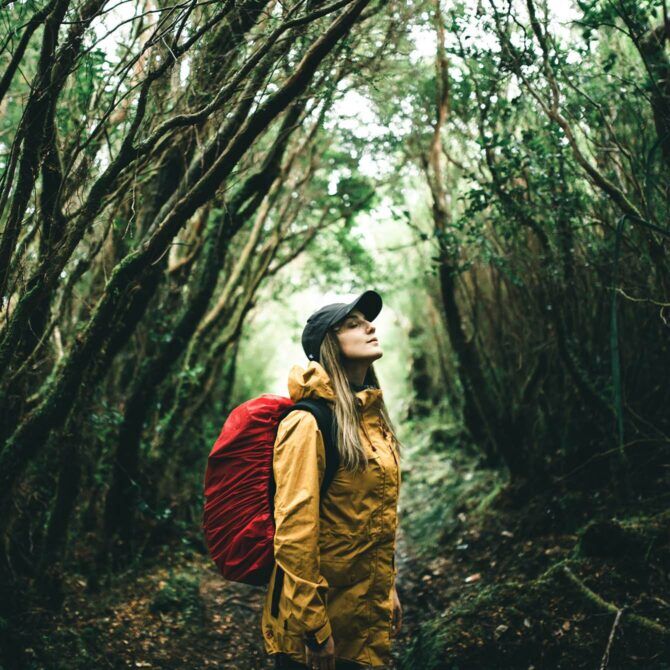
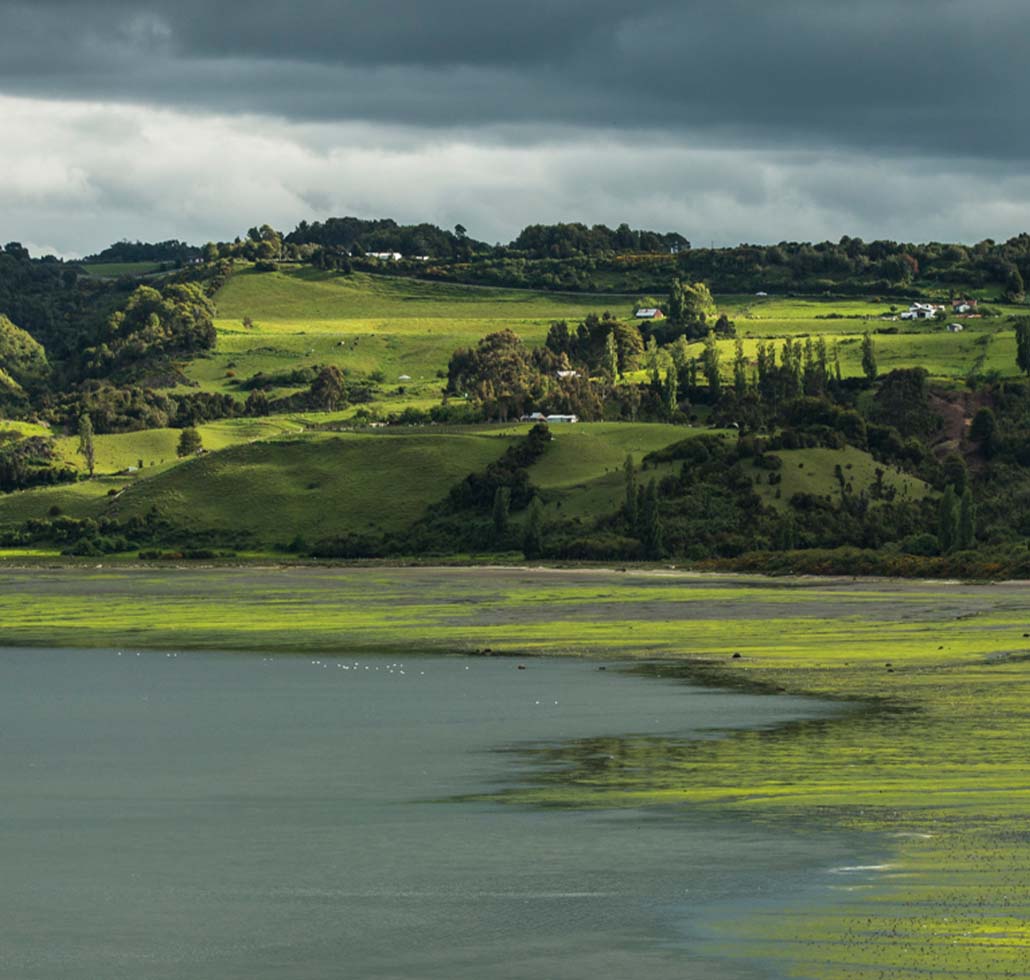
Explore verdant green landscapes, winding waterways and hidden coves, with exclusive access for our excursions to unspoiled wilderness and rich cultural connections. The Chiloé Archipelago teems with lush native plantlife, including Valdivian forests home to the Darwin’s fox and the pudú, the world’s smallest deer, alongside the guiña or Kodkod, South America’s smallest wild cat, all part of a natural evolution running from the ice age through the colonial era to the present day.

Pristine wilderness Right

Unforgettable encounters

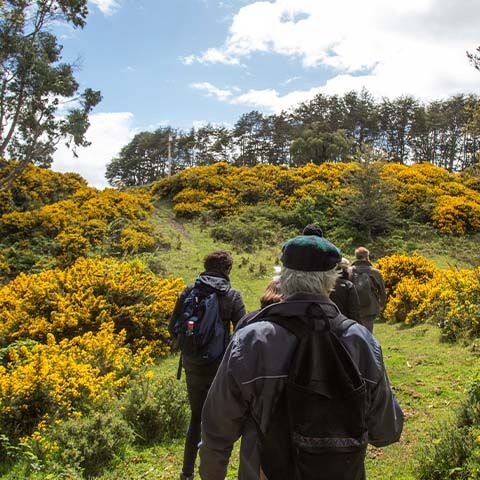
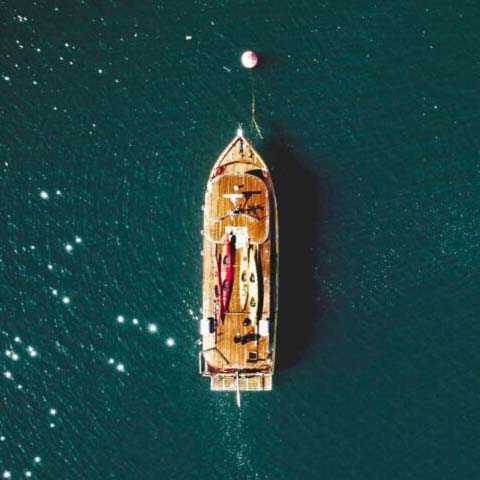
The diverse landscapes, seascapes and cultural icons of the Chiloé Islands in Chile beg to be explored with hiking, walking, e-biking, horse-riding, kayaking or Williche boat adventures. Excursions at Refugia Chiloé offer guests a range of guided activities and explorations tailored to individual interests.

View all excursions here.
Where to go horse-back riding in Chile

Horseback Riding

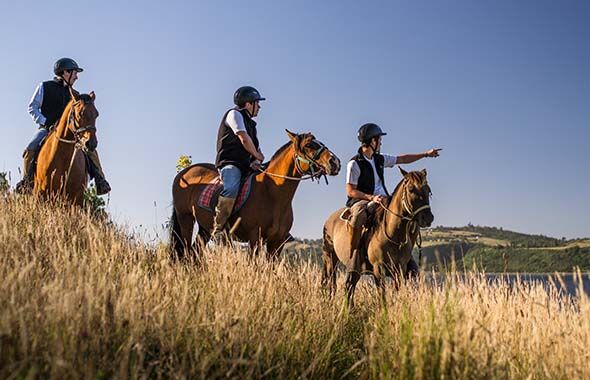
Saddle up for a gentle horseback ride along the age-old footpaths of the island villagers to appreciate the traditional way of life in Chiloé. Traverse mixed terrain at a relaxed pace, enjoying views of the pristine surrounds.

view details
Forest trails in Tepuhueico Park, private conservation initiative on Chiloé island in Chile

Tepuhueico Park

This private conservation initiative holds 20,000 hectares of verdant wilderness. From tranquil Lake Tepuhueico to the Pacific Ocean, explore the unspoiled beauty of Valdivian rainforest.

view details
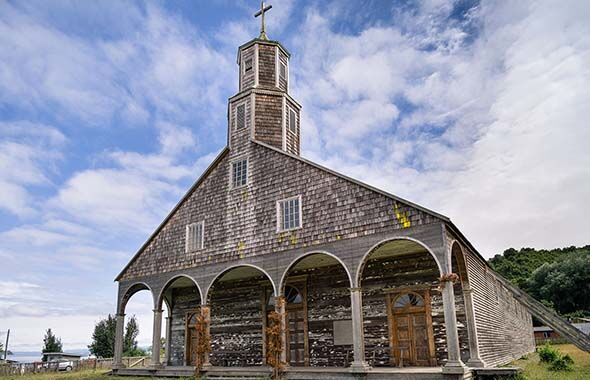
Beautiful old, wooden church on Quinchao Island, Chile

Quinchao Island

Embark on an unforgettable adventure by land and sea to Quinchao Island – known for its vibrant culture, traditional shingled buildings and the oldest UNESCO World Heritage listed church.

view details
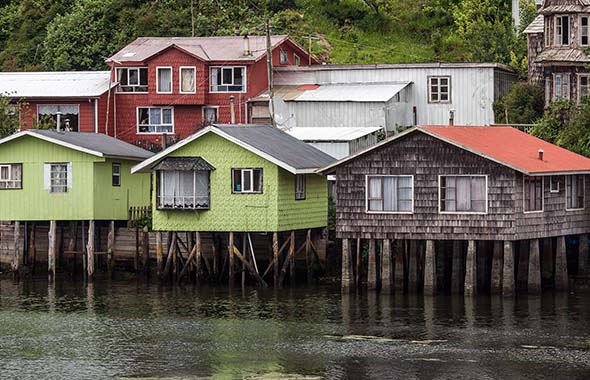
Colorful houses on stilts in Castro

Historic Castro

Explore Chiloé Island's vibrant capital city, Castro on this captivating tour. Discover the beating heart of Chiloé with its colorful traditional stilt houses, grand churches, bustling craft markets and local community.

view details
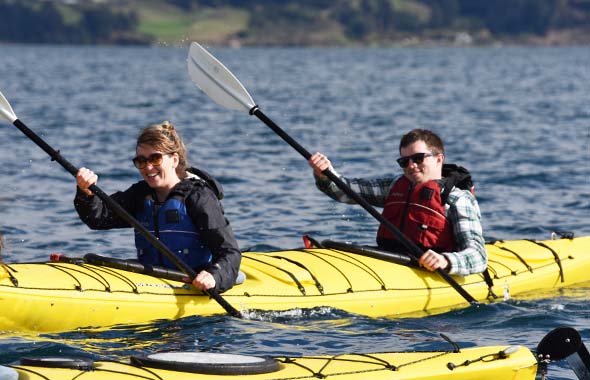
Kayak trip in Chile: Paddling around the calm waters of Chiloé Island

Kayak trip - Rilán

Paddle out from the hotel pier on an unforgettable kayak trip to Rilán, spotting birdlife and dolphins on the way. Visit the World Heritage listed church and enjoy a walk through the township.

view details
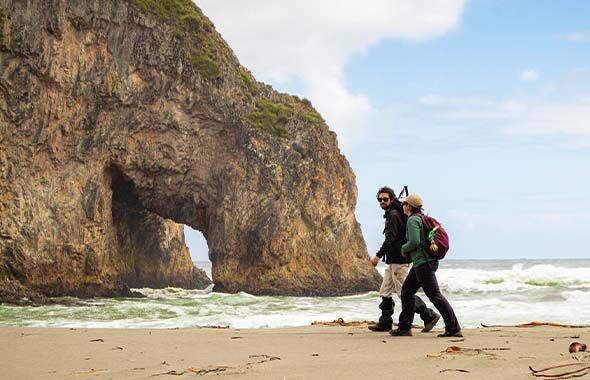
Picturesque coastal views on the Duhatao to Chepu hike, Chiloe Island, Chile

Duhatao to Chepu hike

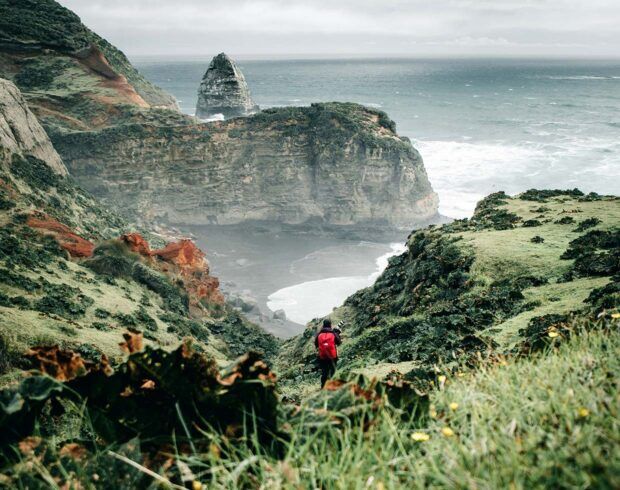
Starting at picturesque Duhatao Bay, traverse the twisting coastal cliffs as they merge into deep forest. Explore the islet of Aulen before setting sail upstream with rewarding views of the Sunken Forest.

view details
Wetland wonderland Right

Wetland
wonderland

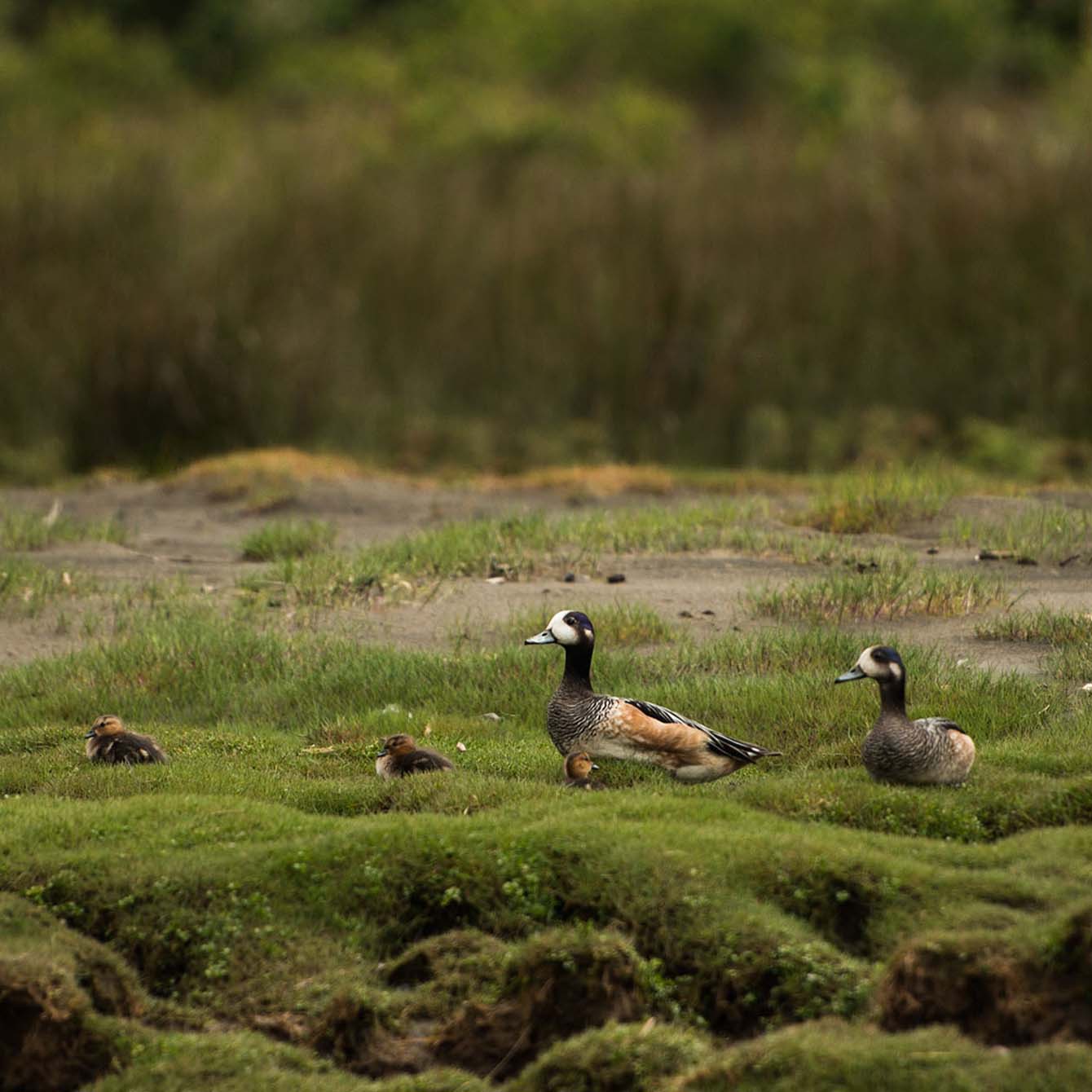
The diversity of flora and fauna found in Chiloé is so overwhelming even Charles Darwin was taken aback on his visit here in 1834. In addition to the verdant forests, Chiloé is home to around a dozen wetlands, including the Pullao wetlands, adjacent to the hotel, and a sanctuary for wildlife where migratory birds gather by the hundreds each season. If you enjoy bird-watching, consider booking a Pullao Room with Wetlands View.

Wetland wonderland Left
Cutural connection

Cultural
connection

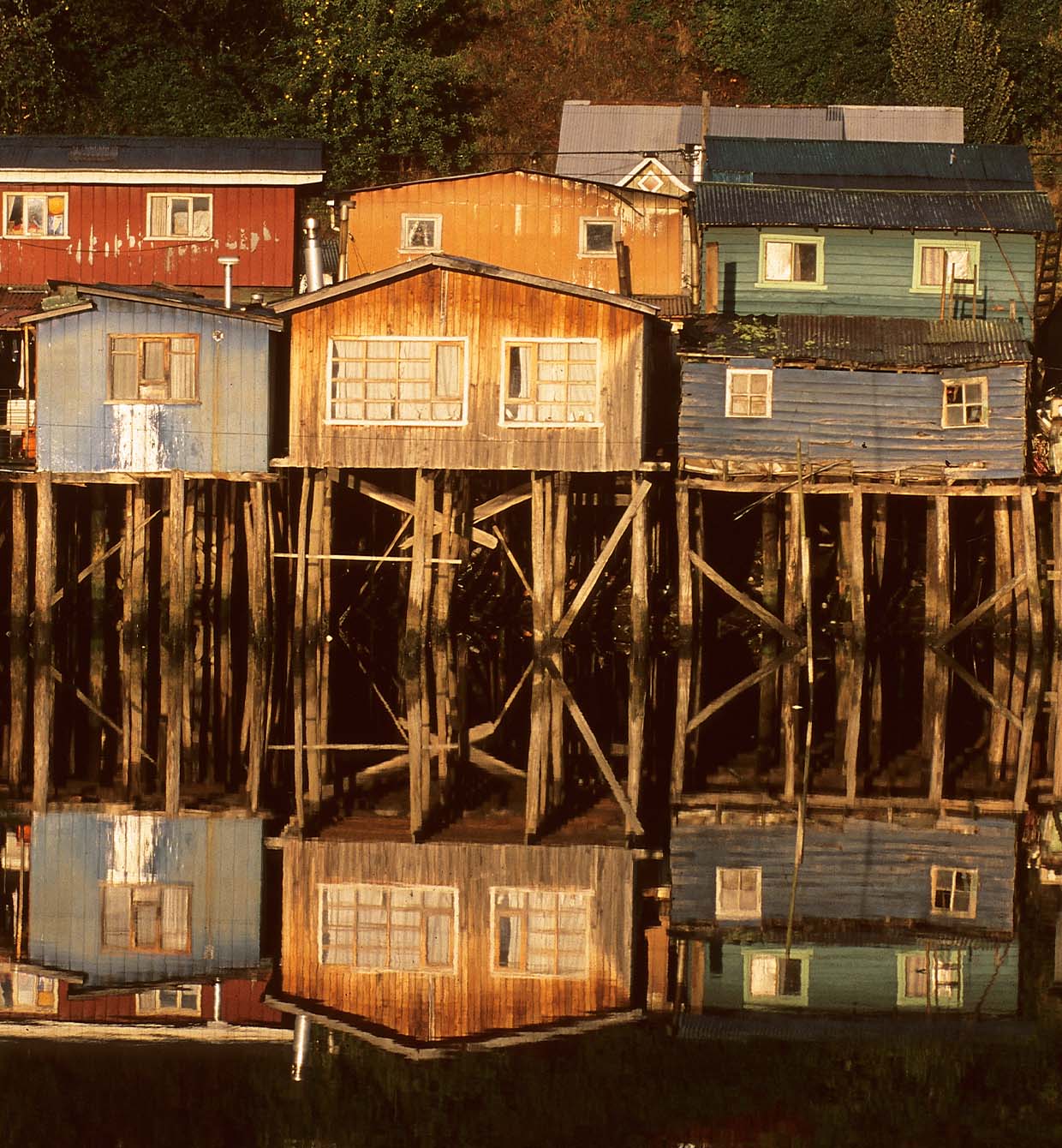
Steeped in centuries of isolation, the islands’ identity is linked to the sea, the quaint fishing villages, the colorful stilted houses known as palafitos and the vibrant markets rich with local produce; all complemented by sixteen UNESCO world-heritage shingled churches built with both indigenous and colonial ingenuity. Chiloe is full of friendly, artistic people, with generations of recipes, arts, crafts, legends and local industries. They have a deep pride in farming, sheep-raising, weaving, cooking, boat-building and ferrying around the islands of islands of the Chilean archipelago..

Chilean flavors

Chilean
flavors

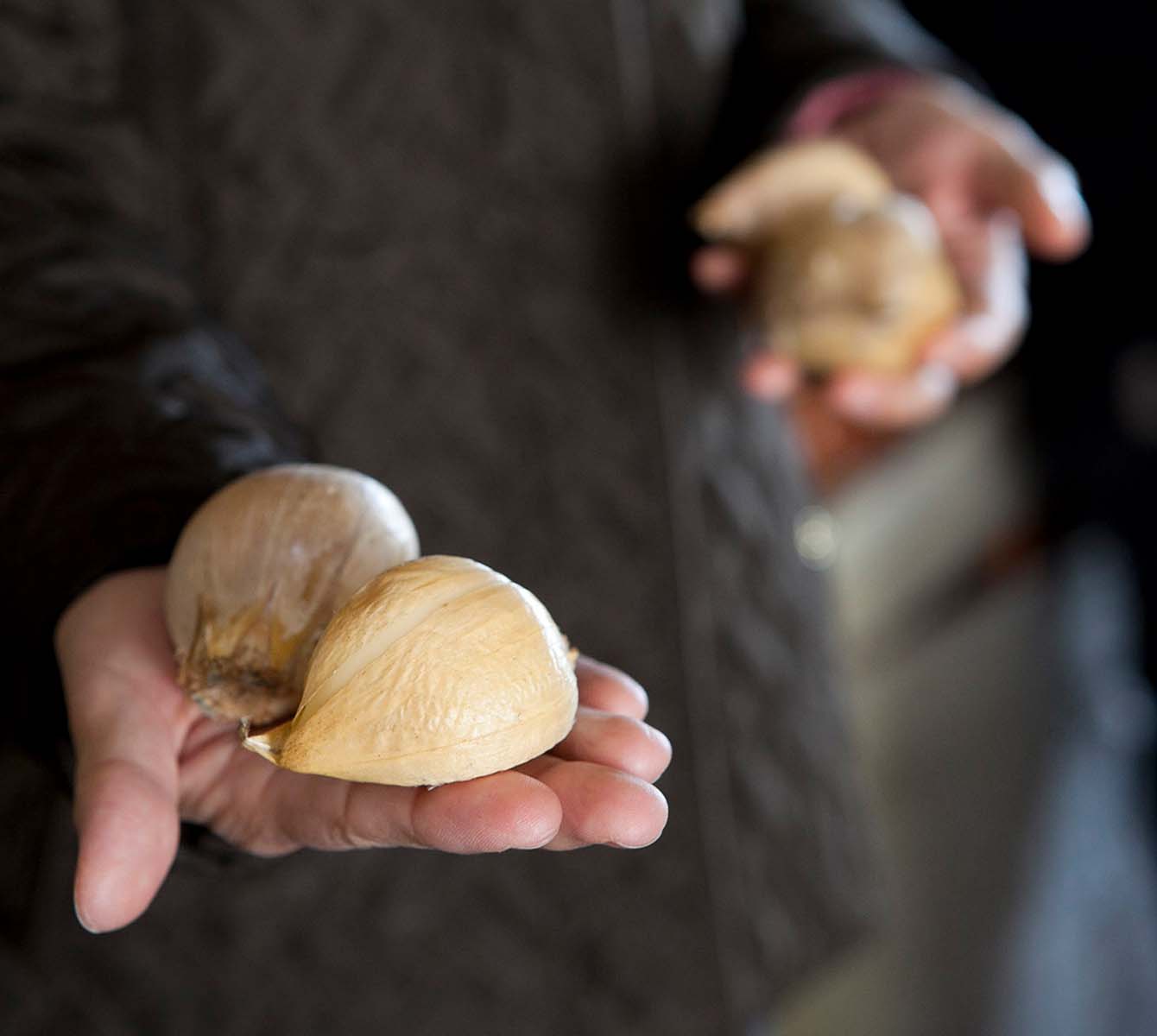
The people of Chiloé’s islands have adapted to the local conditions of the archipelago over thousands of years. Cattle drawn carts are still used to transport local produce such as elephant garlic and the nearly 300 varieties of famous Chiloé potatoes. Fishermen sell their daily catch, including robalo, pejerrey, trout, oysters and mussels fresh from the sea, in the local markets.

Banner-Tricolor-Chiloe-750x750

Legends, myths and bestsellers

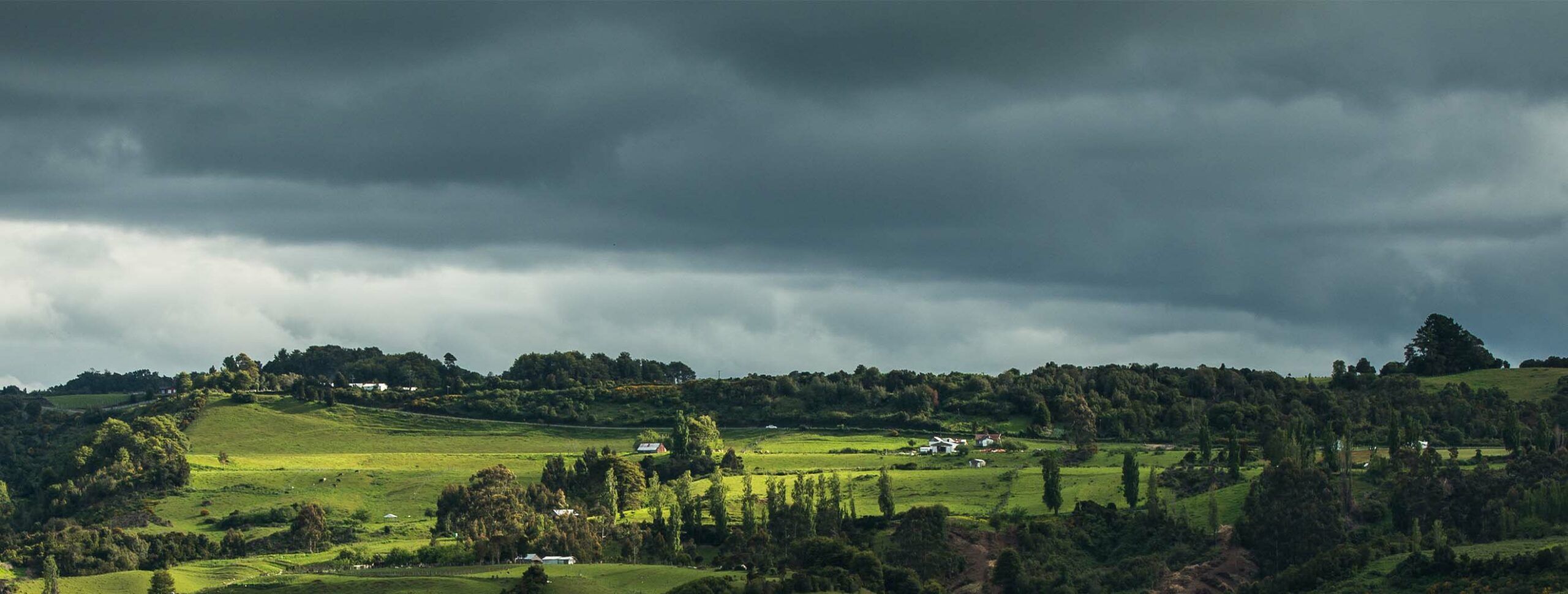
Stormy skies and landscapes shrouded in mist provide an evocative backdrop for Chilote mythology: El Trauco, said to roam the forest; Millalobo, the sea-king who governs the tides and marine life; and the Caleuche, a ghost ship said to sail the channels on foggy nights. These stories are still told on the islands today. Beyond myth and legend there is literature, too: nonfiction by Darwin and Chatwin, poems by Coleridge and Byron, and bestsellers like The Wager by David Grann.

A stormy day on Chiloé Island

When is the best time to visit Chiloé?

Chiloé Island, Chile boasts a cool temperate oceanic climate with mild year-round temperatures. Regular rainfall nurtures its flourishing, vibrant ecosystem. Refugia Chiloé operates seasonally and welcomes guests from October to April each year. Everchanging weather is part of the attraction and glory of visits to this part of the world, so dressing in layers is the best approach for excursions. Chiloé Island, Chile boasts a cool temperate oceanic climate with mild year-round temperatures. Regular rainfall nurtures its flourishing, vibrant ecosystem. Refugia Chiloé operates seasonally and welcomes guests from October to April each year. Everchanging weather is part of the attraction and glory of visits to this part of the world, so dressing in layers is the best approach for excursions.

Spring

Spring

(OCTOBER-NOVEMBER)

Spring temperatures are comfortable, making for pleasant outdoor excursions. With Spring migration and breeding season for many bird and animal species, it is a great time to spot pregnant moms, chicks and baby wildlife in their natural habitat.
Daytime 9-15°C (48–59°F)

Summer

Summer

(DECEMBER – FEBRUARY)

Summer guests may find some local summer fiestas and can expect good weather for all the excursions. Rain falls in summer, but will likely be in short showers.
Daytime 11–18°C (52–64°F)

Fall

Fall

(MARCH – APRIL)

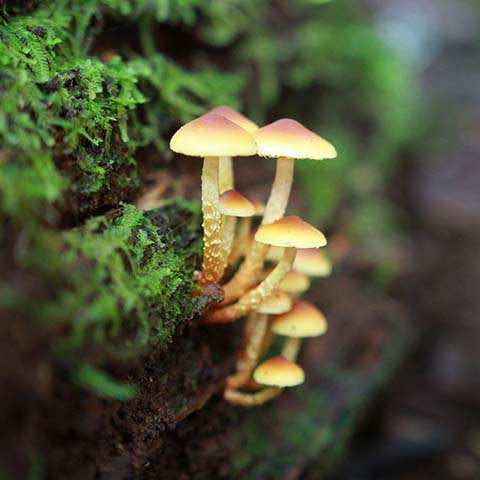
Guests may continue to partake in all the excursions. They may also see rare fungi turning colors, and the birds gathering on the bayshore to migrate north, including the mileage record holders, the Hudsonian Godwits.
Daytime 9-15°C (48–59°F)

Winter

Winter

(MAY – SEPTEMBER)

The hotel is closed May 1-Sept 30 due to less reliable weather conditions. Winter enthusiasts might check out our sister hotel, the famous Portillo Ski Resort, just a 2.5 hour drive from Santiago. A Portillo skiweek vacation is like none you’ve ever had before.
Daytime 4-11°C (39°F- 52°F)

How to get there?

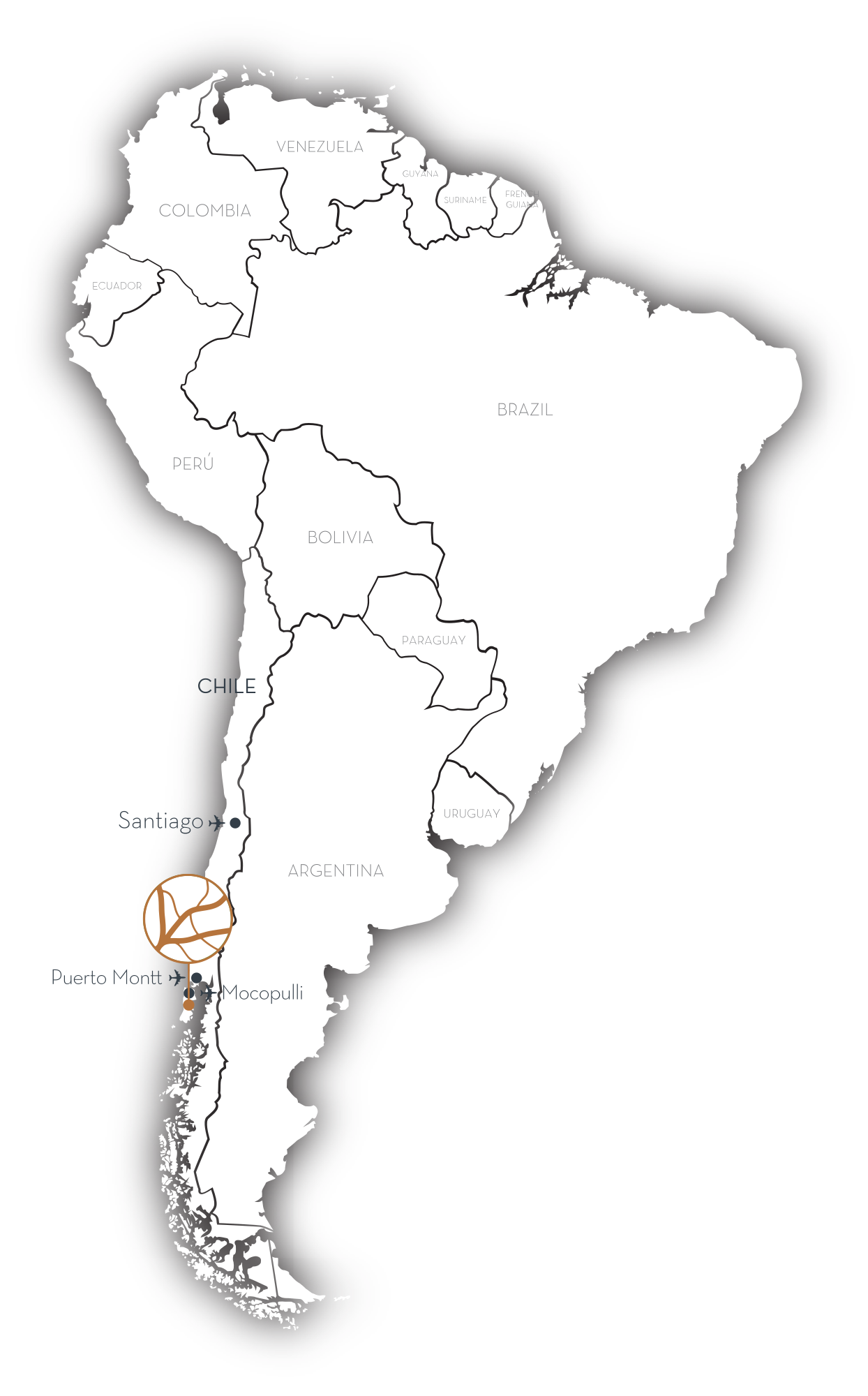
Refugia Chiloé is located on Chiloé Island in the Chiloé Archipelago, off the coast of northern Patagonia. The nearest airport is Mocopulli in Castro (MHC), 30 minutes drive away. Commercial flights from Chile’s capital, Santiago, land daily. Flight time is approximately 2 hours.

SouthAmerica-map
  • Which flights should I take to get to Chiloé?

    International flights

    From North America, daily flights arrive to Santiago via Delta, American Airlines, United, Air Canada, LATAM and Copa from major hubs such as New York, Atlanta, Miami, Dallas, Houston, Los Angeles, Toronto, Vancouver, and Panama.

    From Europe, daily flights arrive to Santiago via British Airways,  KLM, Lufthansa, Iberia, AirFrance and LATAM, leaving from the major European hubs.

    From Australia and New Zealand, Qantas offers direct flights from Sydney to Santiago and LATAM offers direct flights from Melbourne to Santiago, as well as flights from Sydney via Auckland to Santiago.

    From other parts of Asia, routes to Santiago via the hubs of New Zealand, Australia or the USA are recommended.


    Santiago to Chiloe flights and charters

    Flights from Santiago to Castro (Mocopulli Airport – MHC) are about two hours and are offered daily by LATAM and Sky Airlines. The airport at Puerto Montt (Tepual – PMC) is another option and road transfers to the hotel take 4.5 hours including a 45-minute ferry ride. Transfers from Castro or from Puerto Montt are included in the Full Experience rates.

    Chartering a private plane to Castro MHC Airport is another option. Additionally, hydroplane transfers are available from Castro or Puerto Montt airports directly to Refugia Chiloé. Refugia’s reservations professionals can assist to book these private flights.

  • Are there any airport transfers available to Refugia Chiloé?

    For guests choosing our Full Experience Program, Refugia Chiloé offers complimentary road transfers from both airports. No minimum stay required.  Drive time from Castro (MHC) is 45 mins or less, and from Puerto Montt (PMC) the drive is 4.5 hours including a ferryboat passage.

  • How do I get to Refugia Chiloé by car?
  • Is Chiloé part of Patagonia?

    The Chiloé Archipelago sits at the point where Chile’s Lake District ends and northern Patagonia begins. It’s often grouped with both regions, geographically closest to the Lake District, but culturally and administratively part of Chilean Patagonia.

  • Where are the UNESCO churches of Chiloé?

    Sixteen wooden churches across the Chiloé Archipelago are recognized by UNESCO as World Heritage sites, built by Jesuit missionaries and local craftsmen using shipbuilding techniques and no metal nails. Several UNESCO churches are visited on Refugia Chiloé’s guided excursions on land and by sea.

discover more

Hotel

Island icon

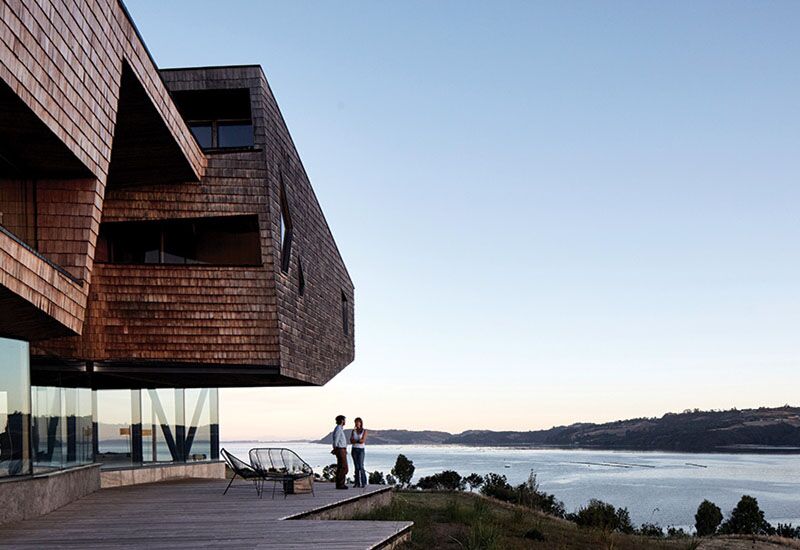
Refugia Chiloé commands its hilltop perch with two shingle-clad guest wings stretched wide. Considered architecture combines local tradition with contemporary design, culminating in an inspired shelter that both respects and honors the pristine surrounds.

Step Inside
Excursions

Enchanting archipelago

With Refugia Chiloé as a luxury base, navigate the archipelago on boating or kayaking escapades, uncover UNESCO cultural treasures, cycle or trek through scenic landscapes, bask in the verdant forests and embark on horseback odysseys.

Plan Your Pilgrimage
Spa

Relaxing refuge

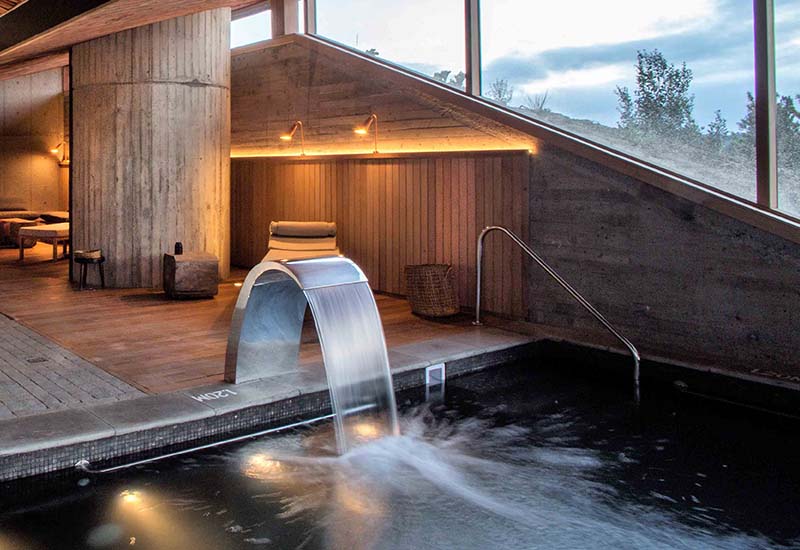
A warm cocoon nestled beneath the hotel, Uma Spa is the perfect place to rest, reflect and recover after a day of discovery, promising guests a physical and spiritual refuge and a menu of signature treatments to revitalise body and soul.

Heaven awaits